Online Rehab vs. Sober Living: Understanding the Differences and How to Choose What Is Right for You
Comparing online rehab vs. sober living in Tennessee may be confusing, and it’s normal to be unsure which fits your needs best. Both offer real benefits, whether you’re seeking structure, flexibility, or a supportive environment. Freeman Recovery Online provides treatment for substance abuse, mental health challenges, and dual diagnosis, giving you access to qualified clinicians from the comfort of home.
Exploring these options allows you to understand how online rehab differs from sober living. Freeman Recovery Online supports recovery with personalized care tailored to your situation. Read on for more information on online treatment and sober-living options near Nashville and call us today to discuss your needs and schedule a free assessment.
Online Rehab vs. Sober Living: The Quick Answer
Sober living and online rehab in Tennessee are both valid paths in recovery, but they serve different purposes. Understanding the distinction allows you to see how each supports long-term success while giving you flexibility and access to care on your terms.
Online rehabilitation focuses on treatment. You work with licensed therapists through structured programs that teach the skills you need to stop or reduce substance use. Digital therapy sessions allow you to engage from home while maintaining daily routines, work, or school commitments. Sober living, on the other hand, provides housing. It’s a safe, drug- and alcohol-free environment with peer support, rules, and accountability. You may use sober living alongside online rehab or after formal treatment to reinforce recovery, practice new coping skills, and build independence.
Both online rehab and sober living contribute to lasting change in different ways. Evaluating your current needs, support system, and lifestyle helps you decide which approach — or even a combination — best supports your addiction recovery goals.
Trying to Decide Between Online Rehab and Sober Living?
They serve different needs, and the right choice depends on where you are in recovery and what your life looks like. Fill out the form below and a specialist will help you weigh which fits your situation, with no pressure and no obligation. Whether it’s for you or someone you love, the right structure makes recovery easier to hold onto.

What Is Online Rehab?
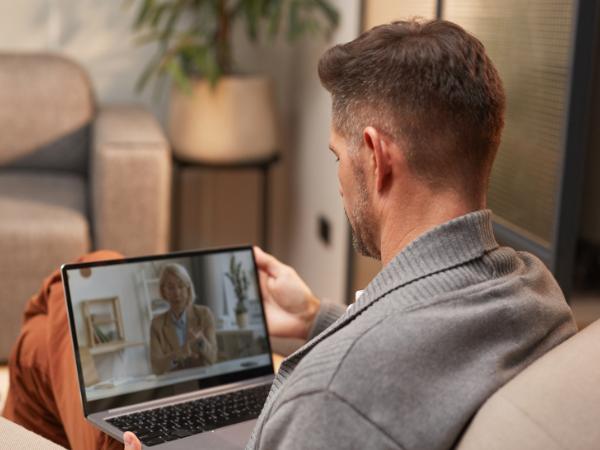
Online addiction rehab in Middle Tennessee offers professional treatment for substance addiction and mental health challenges through e-therapy platforms. It provides remote access to licensed therapists, structured programs, and other resources, making care more flexible and convenient. The following sections explore what online rehab typically includes and what levels of care are available.
What Does Online Rehab Usually Include?
Online rehab provides a range of services to support your recovery from substance addiction and mental health challenges. You participate in telebehavioral health sessions with licensed clinicians while maintaining your daily routine. In support groups and individual teletherapy, you build coping mechanisms, address underlying issues, and connect with others facing similar struggles.
Many programs include Medication-Assisted Treatment (MAT) when appropriate, case management to coordinate your care, and education on addiction and relapse prevention. Some programs also encourage family involvement, helping loved ones understand your recovery process and learn how to provide constructive help. This combination of services equips you with tools for lasting change and ongoing sobriety.
What Levels of Care Can You Do Online?
Online addiction treatment in Middle Tennessee comes in several formats for varying levels of care, letting you access treatment that fits your needs and schedule. Whether you’re looking for basic internet-based therapy or more intensive programs, digital mental health services provide professional care without requiring in-person attendance.
- Traditional Outpatient: You attend scheduled internet therapy sessions while maintaining your day-to-day routines, addressing substance abuse and mental health challenges on your schedule.
- Intensive Outpatient Program (IOP): This program offers more frequent virtual remote psychotherapy sessions, providing greater structure and support while still allowing you to live at home.
- Partial Hospitalization Program (PHP): PHPs deliver nearly full-day virtual treatment 5 to 7 days a week that includes video conferencing therapy, education, and medical monitoring, offering intensive treatment without inpatient care.
- Dual-Diagnosis Treatment: Programs for dual diagnosis treat your addiction alongside your co-occurring mental health conditions, ensuring comprehensive outpatient care tailored to your needs.
| Factor | Online Rehab | Sober Living |
|---|---|---|
| What It Provides | Clinical treatment: therapy, groups, education, and MAT when appropriate | Housing: a drug- and alcohol-free environment with peer support and accountability |
| Time Commitment | Scheduled sessions built around your existing routine | Full-day commitment, including house rules, chores, curfews, and check-ins |
| Cost | Typically less expensive, with no housing, meals, or utilities included | Typically more expensive, covering housing, meals, and daily living amenities |
| Structure & Accountability | Clinical accountability through scheduled sessions and progress tracking | Daily peer accountability, house rules, and routine-based structure |
| Best For | Needing therapy and clinical care while keeping up with work, school, or family life | An unsafe or triggering home environment, or needing 24/7 sober surroundings |
| Can Be Combined? | Yes. Many people use online rehab for clinical treatment while living in a sober home for structure and peer support at the same time. | |
What Does Sober Living Typically Include?
Sober living provides a structured, drug- and alcohol-free environment to support your recovery outside formal treatment. It combines peer accountability, routine, and community support to help you practice healthy habits and maintain sobriety. Below, learn how sober living works and the situations in which it’s most beneficial for long-term recovery.
How Does Sober Living Usually Work?
Sober living offers a supportive, structured environment where you focus on maintaining sobriety while transitioning back into everyday life. You live in a drug- and alcohol-free home with peers who share similar recovery goals, helping you build accountability, routine, and healthy habits.
These programs typically last a few months to over a year, depending on your needs and progress. You follow house rules, attend regular check-ins, and often participate in support groups or virtual counseling sessions to reinforce recovery skills. Sober living emphasizes responsibility, from contributing to chores and community tasks to managing work or school commitments. This combination of structure, peer support, and accountability helps you strengthen your coping skills and maintain long-term sobriety.
What Conditions Is Sober Living Well-Suited For?
Sober living is well-suited for anyone ready to reinforce their recovery in a structured, supportive environment. It’s ideal if you’ve completed formal treatment and want to practice staying sober while gradually resuming your daily responsibilities. Living with peers in a drug- and alcohol-free setting normalizes healthy routines and accountability.
This environment works particularly well if you are managing substance use disorders and benefit from ongoing peer support and consistent structure. It also supports you if you’re recovering from co-occurring mental health challenges, offering stability while you continue to receive online psychiatric help. Sober living helps you build independence, develop coping mechanisms, and maintain sobriety in a real-world setting, making the transition from treatment to everyday life safer and more sustainable.
What Are the Cost Differences?
The cost of recovery options varies widely, and understanding the differences allows you to plan effectively. Sober living and virtual rehab in Tennessee offer different levels of care, structure, and support, which affect expenses. The following sections explore whether sober living tends to be more expensive and what types of services insurance typically covers.
Is Sober Living More Expensive Than Online Rehab?
Sober living often costs more than online rehab because it includes housing, meals, utilities, and other amenities that support daily life as you maintain your sobriety. You’re paying for a structured, drug‑ and alcohol‑free environment that helps you practice healthy routines and build independence.
Online addiction support in Middle Tennessee usually focuses on therapy, e-counseling, and other virtual programming, making it less expensive since you participate from home. Insurance may cover portions of both online rehab and sober living, depending on your plan and the services you need. Reviewing your coverage helps you understand your options and identify how much support is available for each type of care.
What Does Insurance Typically Cover?
Insurance often covers some costs of both online rehab and sober-living support in Tennessee, including therapy sessions, telehealth counseling, medication-assisted treatment, and certain other services. Coverage varies depending on your plan, the level of care you need, and whether the provider is in-network, so understanding your benefits before starting treatment is essential to making informed choices.
You may find outpatient therapy, intensive outpatient programs, partial hospitalization, or dual-diagnosis treatment are partially or fully covered. Some plans also cover medication-assisted treatment and web-based mental health support. Sober-living costs may be covered in part if tied to a structured treatment program. Freeman Recovery Online can review your plan and confirm what’s included. Contact us to get started today.
Time Commitment Differences Between Online Rehab and Sober Living
The time commitment for online rehab and sober living differs, and understanding this difference allows you to choose the option that aligns with your schedule and responsibilities. Online rehab offers therapy and treatment from home, while sober living provides a daily routine in a supportive, substance-free environment. Both approaches allow you to balance recovery with work, school, or family obligations.
Virtual rehab in Tennessee typically involves scheduled telepsychology sessions with therapists, participation in group or individual behavioral health sessions, and completion of educational or relapse prevention activities. You set aside time for treatment but maintain flexibility, as care is delivered through telemental health solutions and can be integrated into your daily routine.
Sober-living options near Nashville require a more consistent, full-day commitment to household responsibilities, check-ins, and participation in peer support activities. You follow house rules and maintain a structured schedule, which may include chores, meetings, or curfews. While less flexible than online support in Tennessee, sober-living arrangements provide accountability and a stable environment that reinforces healthy habits, so you sustain long-term recovery while managing work, school, and family responsibilities.
Effectiveness and Outcomes of Online Rehab vs. Sober Living
Understanding the effectiveness and outcomes of online rehab vs. sober living in Tennessee allows you to choose the approach that best supports your recovery goals. Both provide valuable tools, but they serve different purposes and produce different results. Read on to learn about the key differences between the two and see how each contributes to lasting sobriety.
Key Differences Between Online Rehab and Sober Living
Choosing between online rehab and sober living comes down to your needs and lifestyle. Virtual care reduces barriers like transportation, scheduling conflicts, and stigma, letting you access professional treatment from home. Both options support recovery, but they do so in different ways and at different stages.
Online rehab in Tennessee focuses on clinical treatment, providing therapy, group sessions, education, and sometimes psychiatry, all delivered virtually. You stay in your home and follow a schedule centered on appointments.
Sober living, in contrast, offers supportive housing and community. You move into a recovery-focused house, follow house rules, complete chores, participate in meetings, and maintain peer accountability. Online rehab is an active treatment phase, while sober living usually acts as a step-down or companion support, helping you maintain sobriety and practice skills in real-world settings.
When Would Sober Living Lead to Better Outcomes?
Sober living may lead to better outcomes when your recovery requires additional structure, supervision, or a safe environment. If you face severe withdrawal risk, live in an unsafe home, or have experienced repeated relapse without consistent support, moving into a recovery-focused house provides stability and accountability that’s difficult to achieve alone.
Recovery housing offers a structured, drug- and alcohol-free environment where daily routines, chores, and peer support reinforce healthy habits. According to the Johns Hopkins Bloomberg School of Public Health, sober living is linked to numerous benefits, including reduced substance use, a lower chance of relapse, decreased incarceration rates, higher earnings, increased employment opportunities, and stronger family relationships.
Sober-living support in Tennessee works particularly well as a step-down from intensive treatment, giving you space to practice coping strategies in real-life settings while surrounded by peers. By combining structure, community, and accountability, sober living helps you maintain long-term sobriety and build the skills needed to navigate everyday challenges safely and confidently.

Who Should Choose Online Rehab?
Online addiction treatment in Middle Tennessee may be the right choice if you’re looking for professional care while maintaining your daily responsibilities. It’s ideal when weekly therapy alone isn’t enough and you need additional structure and accountability to address substance abuse and mental health concerns. You’ll access licensed clinicians, therapy, and programs without disrupting your life.
Online rehab is particularly helpful if you need to keep up with work, school, or family obligations, or if you prefer discretion and privacy while receiving care. It works best when you have stable housing, moderate symptoms suitable for Intensive Outpatient Programs (IOPs) or Partial Hospitalization Programs (PHPs), and want ongoing access to care after completing a formal program.
You benefit from structured online mental wellness sessions, group support, and individualized teletherapy. This setup protects and guides you while allowing you to maintain your routine. Whether you’re stepping down from more intensive treatment or seeking an active recovery plan you can access from home, online rehab addresses challenges safely and consistently.
Who Should Choose Sober-Living Programs?
Sober living may be the right choice if you’ve completed or are currently in treatment and need a structured environment in which to maintain your progress. It’s especially helpful if your home includes substance use, conflict, or triggers that make staying sober difficult, and if you benefit from external accountability and clear routines.
Sober living provides a drug- and alcohol-free household with curfews, drug testing, and house meetings to reinforce healthy habits. You live alongside peers in recovery who offer encouragement and shared experiences. This environment helps you stay focused while working, attending school, or job-hunting, giving you the stability needed to rebuild your life, practice coping skills, and maintain long-term sobriety.
Not Sure Which One Fits Your Situation? Let's Talk
Questions to Ask Yourself to Decide
Deciding between sober living and online addiction support in Middle Tennessee requires honest reflection on your needs, environment, and lifestyle. Asking yourself the right questions helps clarify which option, or whether a combination of both, fits your recovery goals. Consider how your situation, responsibilities, and support system influence the level of care and structure you require.

- Is my biggest need right now treatment (therapy, groups, coping skills) or a safe, sober place to live away from triggers? This helps you determine whether professional care or a structured environment is more urgent.
- Is my current home environment stable and mostly substance‑free, or does staying here put my recovery at risk? Understanding your surroundings helps you identify if extra support is necessary.
- Am I able to stay sober where I live now if I have strong online treatment support, or do I need 24/7 sober surroundings and house rules? This clarifies the level of supervision you require.
- Do I feel ready and motivated to fully engage in therapy online, or would daily in‑person structure and peer support at a sober house help me more? Your readiness affects which approach will be most effective.
- How much independence do I want or need? Can I manage my own schedule with online rehab, or would curfews and accountability in sober living keep me safer? Consider your ability to maintain discipline on your own.
- What do I need for work, school, or family obligations? Can I move into a sober living house, or is staying home with flexible online rehab more realistic? Balance recovery with life responsibilities.
- What does my budget/insurance support right now? Does it cover treatment (online rehab), housing support (sober living), or a combination of both? Financial clarity allows you to plan realistically.
- Could I benefit from doing both — using online rehab for treatment while living in a sober home for extra stability and support? Combining approaches may provide the structure and clinical care you need.
What Does Online Rehab Look Like at Freeman Recovery Online (FRO)?
Freeman Recovery Online provides comprehensive, professional care that’s accessible from the comfort of your home. You participate in structured telebehavioral health sessions with licensed clinicians, including individual and group therapy, to address substance use, mental health, or dual diagnosis. This flexible approach fits around your daily routine so you can maintain work, school, or family responsibilities.
Programs may include Medication-Assisted Treatment (MAT) when appropriate, case management to coordinate your care, and education on coping mechanisms, relapse prevention, and healthy habits. Freeman Recovery Online gives you the tools, guidance, and access to qualified professionals needed for lasting sobriety. Read on to learn more, and contact us today to learn how we can help.
How Our Program Works
Freeman Recovery Online structures its programs to guide you through recovery in a clear, manageable way. Each step ensures you receive personalized care, access to appropriate services, and ongoing remote emotional support. Understanding how the program works helps you see what to expect and how your treatment is organized for the best possible outcomes.
- Assessment: You begin with a thorough evaluation to identify your substance use, mental health needs, and overall recovery goals. This helps us tailor the program to your situation.
- Insurance Verification: We review your plan to determine your coverage for online rehab services and virtual mental healthcare, ensuring you understand your financial options and what care is available.
- Clinical Intake: Licensed clinicians gather detailed medical and psychological information to create a personalized treatment plan that addresses your challenges.
- Weekly Schedule: You participate in regular group sessions and individual cybertherapy, building coping skills, receiving support, and staying engaged in your recovery.
- Progress Tracking and Step-Down Planning: We monitor your progress regularly and develop a step-down and aftercare so you transition safely through treatment and maintain long-term recovery.
Conditions We Treat Virtually
At Freeman Recovery Online, you have access to virtual treatment for a range of substance addictions and mental health conditions. You receive care from licensed clinicians who guide you through internet-based therapy, education, and other supportive services. This approach lets you maintain your daily routine while addressing the challenges that brought you to rehab.
You can receive treatment for alcoholism, opioid addiction, and stimulant use, with programs tailored to your needs. We carefully address benzodiazepine use, though you may need detoxification before starting online rehab. Dual-diagnosis programs treat substance use and co-occurring mental health conditions simultaneously, ensuring your recovery addresses the full picture of your well-being. Online support in Tennessee provides flexibility and continuity so you can build lasting coping skills.

Common Misconceptions About Online Rehab
You may have questions or doubts about online addiction rehab in Middle Tennessee, and misconceptions may make it seem less effective than in-person treatment. Understanding the realities of virtual care helps you see how it provides structured therapy, professional support, and measurable outcomes. The following sections address common misconceptions and clarify what online rehab truly offers for recovery.
“Online Rehab Is Just Therapy on Zoom”
Online rehab is more than just therapy on Zoom. While internet therapy sessions are a key component, programs also provide structured education, support groups, medication management when appropriate, and ongoing case coordination. You gain tools, skills, and professional care that addresses substance use, mental health, and dual-diagnosis challenges in a flexible, accessible format that fits your life.
“Online Rehab Is Only for ‘Mild’ Problems”
Online rehab in Tennessee isn’t limited to mild cases. It offers structured, intensive care for many substance use and mental health issues, including moderate symptoms and dual diagnosis. You access remote psychotherapy, education, group support, and, when appropriate, medication-assisted treatment, all of which are tailored to meet your needs.
Additional Frequently Asked Questions (FAQs)
It’s normal to have questions as you explore recovery options. Understanding how online rehab and sober living work, their benefits, and potential challenges lets you make informed decisions. The following FAQs address common concerns and clarify how these programs fit into your recovery plan.
- Can I do sober living and online rehab at the same time? Yes, many people combine the two, using online rehab for therapy and clinical care while living in a sober home for structure, peer support, and accountability.
- Can online rehab replace in-person treatment? Online rehab provides effective care in many cases, but some situations may still require in-person support, such as severe withdrawal or high-risk medical needs.
- What if I choose the wrong level of care? Freeman Recovery Online can adjust your program if your needs change, allowing you to step up or step down in intensity to ensure you get the right support.
Choosing the right recovery path, whether online rehab, sober living, or a combination, depends on your needs, environment, and goals. Both offer valuable tools, structure, and support to help you build lasting coping skills and maintain sobriety. Call (615) 234-9059 today to take the next step toward recovery.
Online Rehab Guides for Virtual Treatment and Next Steps
Explore online rehab topics like what telehealth includes, how it compares to other programs, and how to handle privacy, technology needs, and treatment leave. Use the links below to learn more.
- Online Rehab vs Doing Nothing: Why Support Helps
- How Online Rehab Works: A Simple Overview
- Online Rehab Right for Me? How to Decide
- Is Online Rehab Effective? What to Know
- Online vs In-Person Rehab: Key Differences
- Online vs Residential Rehab: Which Fits Better?
- Online Rehab vs Outpatient Therapy: How to Compare
- Online Rehab vs IOP: Understanding the Options
- Sober Living vs Online Rehab: Comparing Support
- Middle Tennessee: Sober Living or Online Rehab?
- Online Rehab After Residential Treatment: What Changes
- When to Step Up to In-Person Care
- Online Rehab Not Working: How to Respond
- When Online Rehab May Not Be Enough
- Forced Rehab: What Loved Ones Should Know
- FMLA for Rehab: Planning Treatment Leave
- Technology Checklist for Online Rehab
- Privacy in Online Rehab: HIPAA and Technology
Statistics on Online Rehab and Sober Living Options in Tennessee
- A report in The Tennessean states that telehealth usage remains steady at 38 times the pre-pandemic level, with up to 50% of psychology services and 30% of substance use disorder services delivered through telehealth.
- The Tennessee Comptroller of the Treasury reports 60.1% of substance use disorder treatment facilities in Tennessee provide telemedicine services.
- According to the University of Tennessee Institute for Public Service, just 1 in 10 Tennesseans who need Substance Use Disorder (SUD) treatment actually receive it, primarily because of provider shortages, distance, stigma, and cost. Telehealth provides remote access to qualified clinicians and medications for opioid use disorder, particularly in underserved rural communities.
- Recovery housing, or sober living, is linked to numerous benefits, such as reduced substance use, a lower chance of relapse, decreased incarceration rates, higher earnings, greater employment opportunities, and stronger family relationships, according to the Johns Hopkins Bloomberg School of Public Health.
- High-quality, affordable, secure, stable housing plays a crucial role in supporting recovery from substance use disorder, according to the TDMHSAS.