
How to Get Someone Into Rehab: A Comprehensive Guide for Family Members
Helping a loved one enter rehab often feels overwhelming, especially when emotions and resistance run high. Clear steps and compassionate communication make the process more manageable. Freeman Recovery Online offers remote treatment options that let your family address substance use while maintaining your daily responsibilities, giving you a practical starting point for planning conversations and next actions.
Treatment includes scheduled therapy, group discussions, skill-building sessions, and accountability throughout the week to maintain consistent progress at home. Family support for addiction recovery reduces conflict and improves communication. Call us to schedule a free substance abuse assessment and learn more about getting someone into treatment.
Recognized Signs Your Loved One Needs Professional Help
Changes in routine often signal more than stress. Missing work, leaving bills unpaid, or repeatedly experiencing conflict at home point toward functional impairment rather than temporary coping problems. Patterns linked to Substance Use Disorder (SUD) include secrecy, increased tolerance, and using despite consequences. Social use usually remains occasional and controlled, while clinical dependency disrupts your sleep, finances, and daily responsibilities.
Physical warning signs include weight fluctuation, tremors, frequent illness, or unexplained injuries. Emotional shifts such as irritability, apathy, anxiety, or sudden isolation also matter. Declining hygiene, abandoning hobbies, or escalating medical complaints strengthen concern. Only a licensed professional provides a formal diagnosis, but these patterns justify action. If you’ve noticed any of these signs of substance use disorder in a loved one, contact us to discuss next steps and learn what professional addiction help for family members involves.
How to Talk to a Family Member About Treatment
Starting a conversation about treatment may be intimidating, but approaching with care increases the chance your loved one will listen. Choose a calm moment when they are sober, and speak from your perspective using “I” statements to describe what you’ve observed. Focus on how their behavior affects you and the household rather than labeling their character.
You might say, “I’m worried about your drinking because I notice it affects our evenings together,” or, “I’m concerned about your drug use and how it impacts your work and health.” Listening without interruption, staying calm if they become defensive, and showing empathy are key. Learning how to talk to someone about rehab starts with patience and clarity.
Understanding the Intervention Process
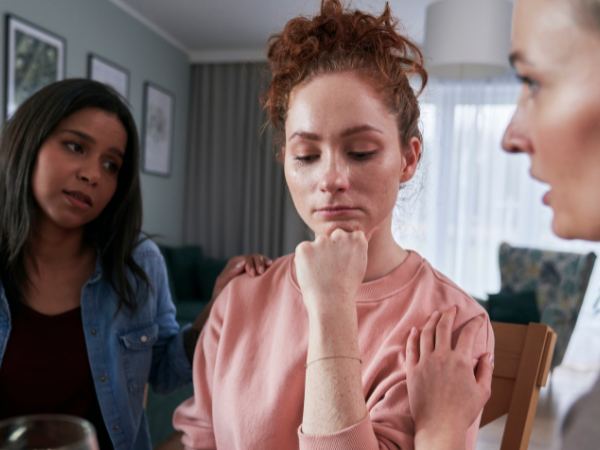
A formal intervention provides a structured way to address a loved one’s substance use or mental health struggles. Family, close friends, and sometimes a professional interventionist come together to express concern and encourage immediate action. The goal is to get the person to agree to an assessment, with a clear treatment plan ready before the conversation begins.
Knowing how to stage an intervention is important. Preparation involves writing scripts, setting boundaries, and establishing “bottom lines” if your loved one refuses help. Approaches like the CRAFT model offer a supportive alternative to high-pressure methods. The CRAFT, or Community Reinforcement and Family Training, model helps families encourage a loved one with substance use to seek treatment without confrontation. It focuses on positive reinforcement, empathetic communication, and reducing enabling behaviors if you have other questions about how to convince someone to go to therapy, reach out to Freeman Recovery Online today.
Are Online Treatment Services Covered by Your Insurance?
Taking the step toward recovery can feel empowering. If you’re considering online addiction treatment or need help checking your coverage, complete the brief verification form, and an admissions specialist will guide you through your benefits.
Navigating the Admissions and Assessment Process
Starting virtual addiction treatment begins with a professional assessment, which forms the foundation for a safe, effective recovery plan. This evaluation identifies the right level of care, uncovers any co-occurring mental health conditions, and ensures your loved one receives support tailored to their needs. Freeman Recovery Online makes this step convenient and streamlined while maintaining confidentiality.
Assessments review physical health, mental health history, and current substance use patterns to create a comprehensive understanding of the person’s situation. This information guides therapy intensity, medication decisions, and support strategies. Because it’s confidential, the assessment provides a safe space for honest disclosure. Contact us to learn how a professional evaluation sets the stage for personalized outpatient rehab for adults.
Support for Families at Freeman Recovery Online
Programs at Freeman Recovery Online make it easier for adults in Tennessee to access care from home, reducing the stress and resistance often associated with starting treatment. We offer individualized care that addresses substance use and co-occurring disorders in adults. Families gain peace of mind knowing treatment is accessible, confidential, and flexible.
Helping a loved one with addiction becomes more manageable when therapy fits into their daily life rather than disrupting it. Our programs combine structured sessions, skill-building activities, and other addiction recovery resources to meet each person’s needs. Call (615) 234-9059 for details on specific Freeman Recovery Online programs, our accreditation status, and how online treatment can guide your loved one toward recovery.

Cost and Insurance Verification for Treatment
The cost of rehab varies based on several factors, but insurance coverage often eases the burden. Many private insurance plans include benefits for behavioral health intervention services, making care more accessible. The first step is a professional verification of benefits, which ensures you know what services are covered and what out-of-pocket expenses may apply.
Having your insurance card ready allows staff to quickly check your plan and confirm whether in-network or out-of-network status affects costs. If you’ve been wondering how to verify your insurance for rehab at Freeman Recovery Online, call (615) 234-9059. We’ll help you plan confidently and ensure your loved one receives the care they need.
How to Start the Process Near You
Taking the first step toward recovery is easier than it may seem, especially with a virtual program that removes location barriers. Immediate action is important while your loved one is open to help, as timely support increases the likelihood of engagement. The process can be broken down into clear, manageable steps:
- Call for a Consultation: Speak with a knowledgeable team member to discuss treatment options, ask questions, and outline next steps.
- Complete an Insurance Check: Verify your insurance for rehab and understand in-network benefits to plan for any out-of-pocket costs.
- Schedule the Initial Virtual Assessment: Begin a personalized evaluation that determines the right intensity of care and creates a tailored plan for recovery.
FAQs About Helping Someone Into Rehab
Helping a loved one enter rehab can feel overwhelming, and you may have many questions about the process. Understanding legal options, treatment types, and what to expect from quality drug and alcohol rehab programs allows you to approach the situation with confidence. The following FAQs address common concerns and guide for supporting your loved one while respecting their autonomy:
- Can I force an adult into rehab against their will? Legal options for involuntary commitment for addiction are limited. Most success comes from motivational approaches that encourage voluntary engagement rather than coercion.
- What if they lose their job for going to treatment? Protections under the Family Medical Leave Act (FMLA) or the Americans with Disabilities Act (ADA) may allow time off for treatment while safeguarding employment.
- How do I know if the program is high quality? Ask about accreditations, licenses, and the qualifications of clinical staff to ensure professional, evidence-based virtual addiction treatment.
- What is the difference between detox and therapy? Detox addresses physical withdrawal, while therapy focuses on psychological support, coping skills, and long-term recovery planning.
- How long does the intake process take? Many programs aim for same-day or next-day assessments to reduce delays and allow your loved one to start care quickly.
- Is virtual treatment as effective as in-person? Online programs provide convenient access to care without travel, allowing your loved one to maintain daily routines and responsibilities. When structured with qualified clinicians and consistent schedules, online treatment yields outcomes similar to those of in-person care.
Confidential Telehealth Rehab—County Guides
Confidential Telehealth Rehab—County Guides
From assessment to aftercare, access counselor-led groups and 1:1 therapy online. These pages detail scheduling, what to expect in sessions, and ways to stay engaged between visits. Choose your county to see available programs and get started quickly, privately, and from home.
.linkbank-c3 .lb-grid{display:grid;grid-template-columns:repeat(2,minmax(0,1fr)) !important;gap:34px !important}
.linkbank-c3 ul{margin:0;padding-left:22px}
.linkbank-c3 li{margin:0 0 .6rem}
Statistics and Resources
Statistics and Resources
- Adults 35 to 44 had the highest rate of overdose deaths in 2023, marking them as a priority group for targeted intervention, according to the Tennessee Department of Health.
- According to the CDC, 52.6% of overdose deaths in Tennessee in 2024 had at least one potential intervention opportunity.
- According to Psychiatry Online, Tennessee recorded 13.5 involuntary civil commitments per 100,000 residents between 2010 and 2022.
- SAMHSA reported that in fiscal year 2023, 20.2% of involuntary civil (non-forensic) patients discharged from Tennessee state psychiatric hospitals returned within 180 days.
- Research published in Social Work in Public Health shows effective treatment of Substance Use Disorders (SUDs) requires addressing the entire family system, as addiction shapes and is shaped by the social environment; early intervention and active family involvement improve long-term outcomes for everyone affected.
- Research published in Social Work in Public Health shows effective treatment of Substance Use Disorders (SUDs) requires addressing the entire family system, as addiction shapes and is shaped by the social environment; early intervention and active family involvement improve long-term outcomes for everyone affected.